Exploring Built-in Two Drawers Refrigerator Technology: Stainless Steel Models
- Share
- Issue Time
- Mar 9,2026
Summary
This article explores built-in two-drawer refrigerators, highlighting stainless steel designs, dual temperature zones, and flexible storage for efficient food organization.
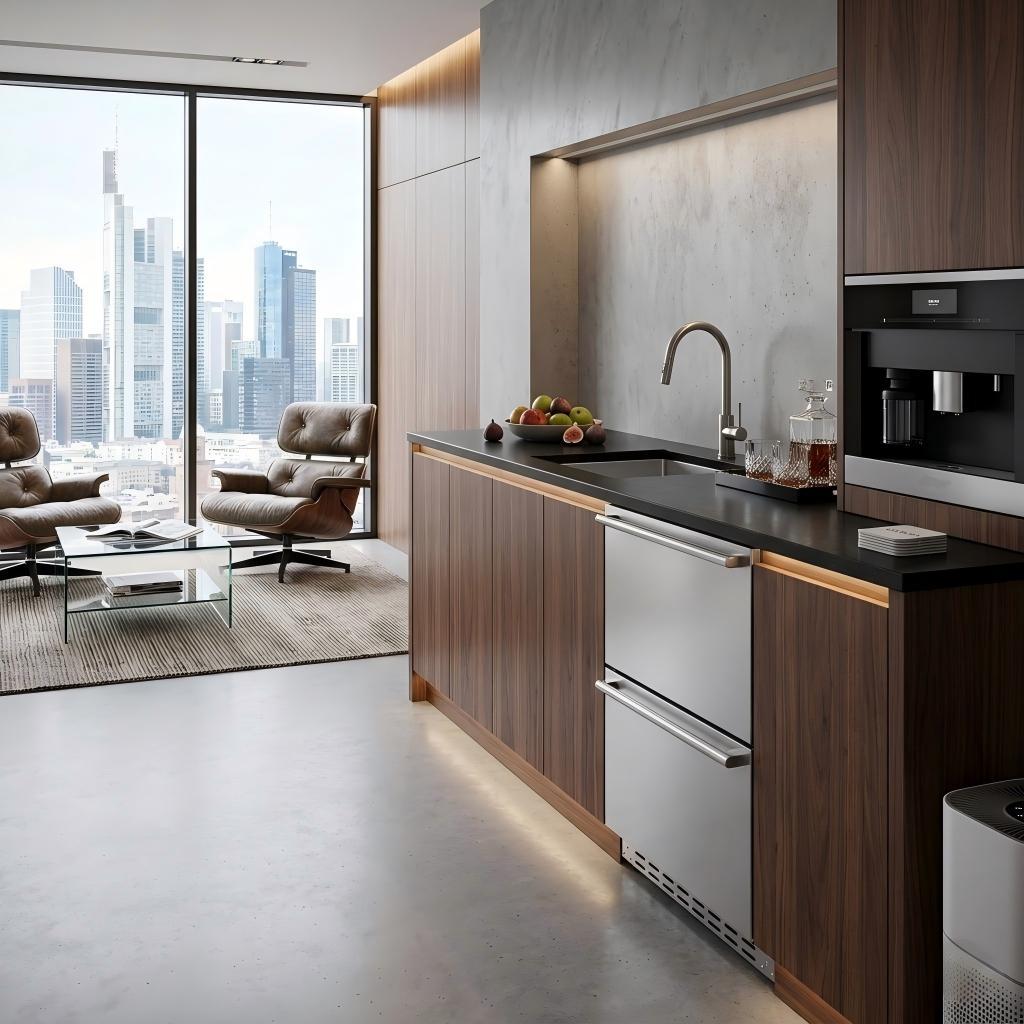
As we explore the world of modern kitchen appliances, the built-in two drawers refrigerator stands out for its innovative design and practical functionality. These sleek units offer a seamless integration into any kitchen, providing both convenience and style. Today, we're diving into the specifics of stainless steel models, uncovering their unique features and why they've become a favorite among homeowners. Join me as we uncover the advantages of this sophisticated refrigeration technology.
Unpacking the Design and Aesthetics of a Built-in Two Drawers Refrigerator
The initial appeal of a built-in two-drawer refrigerator often comes from its striking appearance and its ability to blend flawlessly into modern kitchen designs. Unlike traditional, bulky refrigerators, these units are designed to be equal parts form and function, enhancing the culinary space with a touch of sophistication. Their stainless steel construction is a key element of this appeal, offering a professional-grade look combined with practical durability that homeowners and designers appreciate.
The Allure of Stainless Steel: Texture and Finish
Stainless steel has become a cornerstone of modern kitchen design, and for good reason. Its timeless aesthetic appeal adds a layer of elegance and professionalism to any kitchen, seamlessly blending with both contemporary and traditional decor. The material is renowned for its strength and longevity, able to withstand the daily wear and tear of a busy kitchen without denting or scratching easily. This durability ensures your investment remains beautiful and functional for years to come.
Beyond its classic shiny, reflective finish, stainless steel has evolved to offer a variety of textures and coatings to suit different styles and practical needs. Here’s a breakdown of the most common options:
| Finish Type | Characteristics | Best For |
|---|---|---|
| Classic Stainless Steel | The traditional, highly reflective, and shiny finish. Provides a sleek, professional kitchen appearance. | Kitchens aiming for a clean, professional "chef's kitchen" vibe. |
| Brushed Stainless Steel | Features a subtle, non-reflective texture that creates a softer, matte look. | High-traffic kitchens, as it's less prone to showing fingerprints and smudges. |
| Fingerprint-Resistant | A special coating or treatment is applied to standard stainless steel to create a barrier against oils and smudges. | Homes with children or for anyone who wants to minimize cleaning time. |
| Black Stainless Steel | A dramatic, dark coating over the steel combines durability with a bold, modern aesthetic. | Creating a striking focal point and adding depth to the kitchen design. |
One of the most significant practical advantages of stainless steel is its hygienic quality. As a non-porous surface, it resists germs and bacteria more effectively than materials like wood or plastic. This makes it an exceptionally safe surface for a kitchen environment, as it won't harbor odors or affect the flavor of food that comes into contact with it. Furthermore, maintenance is remarkably simple; most stainless steel appliances can be easily wiped clean with a damp cloth and mild soap, keeping them looking brand new with minimal effort. The material's inherent resistance to corrosion and rust is due to the presence of chromium, which forms a protective oxide layer, making it ideal for the often-humid kitchen environment.
In recent years, manufacturers have heavily focused on developing "smudge-proof" or fingerprint-resistant finishes. These aren't a different type of metal but rather a protective coating applied over the steel that prevents oils from your hands from sticking to the surface. This innovation has been a game-changer for many households, drastically reducing the time spent polishing appliances. While some purists note that this coating can sometimes make the steel appear slightly darker than its traditional counterpart, the trade-off for easier maintenance is a benefit many consumers willingly accept.
Seamless Integration: Toe Kicks, Handles, and Space-Saving Features
The true elegance of a built-in two-drawer refrigerator lies in its ability to disappear. Designed for seamless integration, these appliances are meant to harmonize with your cabinetry, creating a clean, uninterrupted, and high-end look. This is achieved through several key design considerations that go far beyond the appliance itself and into the realm of custom kitchen design.
A "panel-ready" design is at the heart of this integration. This means the refrigerator comes as a blank slate, ready to be fitted with a custom panel created by your cabinetmaker to perfectly match your surrounding cabinetry. The result is an appliance that blends in so flawlessly it can be mistaken for another cabinet, contributing to a sophisticated and uncluttered aesthetic. This is particularly effective in open-concept spaces or smaller kitchens where a large, traditional appliance might overpower the room.
Achieving this seamless look requires precision. The details matter immensely:
- Toe Kicks: The toe kick is the recessed area at the base of your cabinets. For a truly integrated look, the refrigerator’s toe kick must align with and often be covered by a custom piece that matches the rest of the kitchen's toe kick. This eliminates the visual break that typically occurs at the bottom of a freestanding appliance, making the refrigerator look like a natural part of the cabinetry.
- Handles: Panel-ready models allow you to choose your own destiny when it comes to hardware. You can select handles that perfectly match the rest of your kitchen's cabinet pulls, reinforcing the cohesive design. Alternatively, some homeowners opt for no handles at all, using push-to-open mechanisms for an even more minimalist and modern appearance.
- Space-Saving Design: One of the most significant advantages of a drawer-style refrigerator is its inherent space efficiency. Unlike traditional refrigerators with large swinging doors that require significant clearance, pull-out drawers open horizontally. This design is a game-changer for tight spaces, kitchen islands, and high-traffic areas, as you don't need to account for a wide door arc. It optimizes the kitchen layout and workflow, allowing for more flexible and creative designs. The under-counter placement also frees up vertical space for other uses, making it an invaluable solution for smaller homes, apartments, or as a supplementary unit in a larger kitchen.
Ultimately, the seamless integration of a built-in two-drawer refrigerator is about creating a kitchen that feels intentional and custom-designed. By considering elements like panel-ready faces, continuous toe kicks, and matching hardware, this appliance moves beyond simple utility to become a a key component of your kitchen's overall design narrative.
Capacity and Configuration: Maximizing Storage with a Built-in Two Drawers Refrigerator
While the sleek aesthetics of a built-in two-drawer refrigerator are a major draw, its practicality is defined by its internal capacity and organizational features. These compact units are masterfully engineered to maximize storage in a small footprint. Understanding their capacity and how they can be configured is crucial for anyone considering this modern appliance for their home. They are not meant to replace a full-size refrigerator but excel as specialized, supplementary cold storage in key areas like kitchen islands, prep zones, home bars, or offices.
Understanding the Total Capacity and Drawer Allocation
When selecting a built-in two-drawer refrigerator, the first specification to consider is its total capacity, which is measured in cubic feet. These units typically range from 4.0 to 6.0 cubic feet of total storage space. To put this in perspective, a standard 5.0 cubic foot model has ample room to store a significant amount of beverages, snacks, and fresh produce, making it an ideal companion for a variety of settings.
Here’s a practical look at what different capacities can accommodate:
- 4.0-5.0 Cubic Feet: Perfect for a home bar or entertainment room, this size can comfortably hold dozens of cans and bottles, along with garnishes and mixers. It's also an excellent choice for an office, keeping drinks and lunches conveniently at hand.
- 5.0-6.0+ Cubic Feet: Larger models offer enough space to serve as a primary refrigerator in a small apartment or as a dedicated prep station in a larger kitchen. You can store fresh vegetables, meats, dairy, and prepared ingredients right where you need them, streamlining the cooking process.
The total capacity is typically split between the two drawers. Some models feature identically sized drawers, offering symmetrical storage. Others may have a deeper bottom drawer and a shallower top drawer. This configuration is particularly useful for storing taller items like wine bottles or two-liter soda bottles in the bottom, while using the top drawer for smaller items like yogurts, cheeses, and snacks. This thoughtful allocation allows you to segregate items by type or frequency of use, enhancing both organization and accessibility.
Optimizing Organization: Adjustable Dividers and Chrome Baskets
The true genius of a two-drawer refrigerator shines in its organizational capabilities. While a large, single-cavity fridge can become a chaotic jumble of items, the drawer format, combined with smart interior features, encourages a more structured and efficient approach to food storage.
Adjustable Dividers: The most crucial feature for optimizing organization is the use of adjustable dividers. These are panels, typically made of durable plastic or stainless steel, that can be moved and repositioned within the drawers. This allows you to create custom-sized compartments tailored to what you're storing.
- Creating Zones: Dividers enable you to establish specific zones within each drawer. You can create a section for beverages, another for yogurts and dairy, and a third for fresh produce. This prevents items from rolling around and getting mixed up, making it easier to see what you have at a glance.
- Preventing Damage: By separating items, dividers also help prevent bruising and damage. Delicate fruits like berries can be isolated from heavier items like cans or bottles, preserving their quality.
- Flexibility: The adjustability is key. If you're hosting a party, you can remove the dividers to make room for a large platter. For daily use, you can create multiple small compartments for snacks and lunch items. This adaptability ensures the refrigerator can evolve with your changing needs.
Chrome Baskets and Bins: Some models enhance organization further with the inclusion of removable baskets or bins, often crafted from chrome-plated wire. These offer several advantages:
- Enhanced Airflow: The open-wire design of chrome baskets allows air to circulate more freely around the stored items compared to a solid drawer bottom. This helps maintain a consistent temperature and can contribute to keeping produce fresher for longer.
- Durability and Hygiene: Chrome plating provides a robust and rust-resistant finish, which is essential in the high-moisture environment of a refrigerator. It's also easy to clean and won't harbor odors.
- Grouping and Accessibility: You can use baskets to group smaller, similar items together—like condiments, cheese sticks, or juice boxes. This "grab-and-go" functionality is incredibly convenient; you can simply lift the entire basket out of the drawer to access its contents on the counter.
By leveraging these organizational tools, a two-drawer refrigerator transforms from a simple cooling appliance into a highly efficient storage system. The ability to customize the interior with adjustable dividers and utilize specialized baskets makes it possible to maintain a perfectly organized space, reducing food waste and making meal preparation a more streamlined and enjoyable process.
Advanced Cooling Technology in a Built-in Two Drawers Refrigerator
Behind the stylish stainless steel facade of a modern two-drawer refrigerator lies a sophisticated cooling system designed for precision, efficiency, and optimal food preservation. These units are engineered with advanced technologies that go far beyond simply keeping things cold. They create a stable and controlled environment that actively extends the freshness and quality of your food and beverages. Understanding these technologies reveals why these appliances are a superior choice for discerning homeowners.
No-Frost Operation and Fan-Forced Cooling for Even Temperatures
Two of the most impactful technologies found in high-end drawer refrigerators are No-Frost operation and Fan-Forced cooling. While they may sound technical, their benefits are straightforward: better food preservation, less maintenance, and improved energy efficiency.
No-Frost Operation: The End of Manual Defrosting
In traditional refrigerators, moisture in the air condenses and freezes on the cold evaporator coils, leading to a gradual buildup of ice and frost. This frost not only reduces the available storage space but also acts as an insulator, forcing the refrigerator's compressor to work harder and consume more energy to maintain the set temperature. Eventually, this requires the inconvenient, messy task of manual defrosting.
No-Frost technology completely eliminates this problem. Here’s how it works:
- Automatic Defrost Cycle: No-Frost systems are equipped with a heating element near the evaporator coils and a timer. At regular intervals (typically several times a day), the timer activates the heater, which gently melts any frost that has started to form on the coils.
- Water Evaporation: The resulting water is channeled out of the compartment and collected in a small pan, where it safely evaporates.
The primary benefit is convenience—you will never have to manually defrost your refrigerator drawers. However, the advantages go further. By keeping the coils free of ice, the system operates at peak efficiency, which can lead to lower energy consumption and a longer lifespan for the appliance.
Fan-Forced Cooling: Eliminating Hot and Cold Spots
Older or more basic refrigeration systems rely on static cooling (or natural convection), where cold air naturally sinks and warmer air rises. This process is slow and often results in uneven temperature distribution, creating "hot spots" where food can spoil more quickly and "cold spots" where items might partially freeze.
Fan-forced cooling, also known as dynamic or ventilated cooling, provides a much more effective solution.
- Active Air Circulation: This system uses one or more internal fans to actively circulate chilled air throughout the entire interior of both drawers.
- Uniform Temperature: The constant airflow ensures that the temperature is consistent from corner to corner and from top to bottom.
The benefits of this consistent temperature are significant:
- Optimal Food Preservation: All your stored items, whether it's produce, dairy, or beverages, are kept at their ideal temperature, enhancing their longevity and freshness.
- Rapid Temperature Recovery: When you open a drawer, warm air enters. The fan-forced system quickly redistributes cold air to bring the temperature back down to the set level much faster than a static system. This is crucial for maintaining food safety, especially in high-use areas like a kitchen island.
- Reduced Odor Transfer: The active air circulation helps to minimize the mingling of odors between different foods stored within the drawers.
Together, No-Frost and Fan-Forced cooling technologies create a superior storage environment. They ensure that your built-in two-drawer refrigerator not only looks sleek and modern but also performs with the precision and efficiency necessary to keep your food at its best.
Precision Control: Digital Thermostats and LED Displays
To complement advanced fan-forced cooling systems, modern two-drawer refrigerators are equipped with user-friendly and highly accurate control interfaces. The move from analog dials to digital thermostats and clear LED displays represents a significant leap forward in usability and food preservation.
Digital Thermostats: The Key to Accuracy
Older refrigerators use analog or mechanical thermostats, which are essentially simple dials labeled with a range like 1-5 or "cold" to "coldest." While simple, these controls are imprecise and can lead to significant temperature fluctuations. Digital thermostats, in contrast, offer a level of accuracy that is essential for optimal food storage.
- Precision and Consistency: Digital thermostats are electronic and can be set to a specific degree. They are configured to maintain the internal temperature with much greater accuracy, often to within a fraction of a degree. This precision is crucial for preserving the quality and safety of sensitive foods.
- Improved Food Quality: Storing food at its ideal temperature is the best way to maintain its texture, flavor, and nutritional value. For instance, the ideal refrigerator temperature is generally considered to be around 37°F (3°C). With a digital thermostat, you can set and trust this temperature, preventing the risk of food spoiling from being too warm or getting freezer burn from being too cold. A stable temperature is key to keeping food fresh longer.
- Energy Efficiency: Because digital systems are more precise, they optimize the compressor's running cycles. The refrigerator only runs when necessary to maintain the set temperature, which can lead to significant energy savings over time compared to less accurate analog systems.
LED Displays: Clarity and Ease of Use at a Glance
The user interface for these digital controls is almost always a bright, easy-to-read LED (Light Emitting Diode) display. These displays offer several practical benefits:
- Clear Readouts: An LED screen shows you the exact current temperature inside the drawers, taking the guesswork out of temperature management.
- Intuitive Controls: Temperature adjustments are typically made with simple touch-sensitive buttons, often accompanied by pre-programmed modes for specific items. For example, some models offer dedicated settings for:
- Beverages: A colder setting around 34°F (1°C) for perfectly chilled drinks.
- Deli/Meats: A setting around 37°F (3°C) for safe storage of deli meats and cheeses.
- Wine: A slightly warmer setting, often around 42°F (5.5°C), to preserve the delicate notes of white or sparkling wines.
- Alerts and Notifications: Many systems with LED displays include helpful alarms, such as a door-ajar alert that will beep if a drawer is left open for too long, preventing cold air loss and energy waste.
The combination of a precise digital thermostat and a clear LED display empowers you to take full control over your food's storage environment. This not only enhances the performance and efficiency of the refrigerator but also ensures your food stays fresher, safer, and more delicious for longer.
Enhancing Usability: Illumination and Accessibility in a Built-in Two Drawers Refrigerator
Beyond the core functions of cooling and storage, the best appliance designs focus on the user experience. For a built-in two-drawer refrigerator, this means ensuring that every interaction is easy, efficient, and pleasant. Thoughtful illumination and accessible storage design are two key areas where these appliances excel. They transform the daily task of retrieving food and drinks from a chore into a seamless experience, highlighting a commitment to both innovative technology and user-centric design.
Brightening the Interior: White LED Lighting in Refrigerator Drawers
The quality of interior lighting can dramatically affect the usability of a refrigerator. Gone are the days of a single, dim incandescent bulb that left corners in shadow. Modern stainless steel drawer refrigerators have overwhelmingly adopted white LED lighting for several compelling reasons.
LED (Light Emitting Diode) technology offers a superior solution for refrigeration illumination:
- Superior Visibility: White LEDs produce a bright, crisp light that closely mimics natural daylight. This makes it incredibly easy to see everything within the drawers at a glance, from the smallest jar of mustard to the fresh herbs in the back. This improved visibility helps you quickly find what you're looking for and reduces food waste by ensuring no item is forgotten in a dark corner.
- Energy Efficiency: LEDs are remarkably energy-efficient, using up to 80% less energy than their traditional incandescent counterparts to produce the same level of brightness. Since a refrigerator runs 24/7, this efficiency contributes to lower electricity bills over the appliance's lifetime.
- Minimal Heat Emission: Unlike incandescent and halogen bulbs that generate a significant amount of heat, LEDs produce very little. This is a critical advantage inside a refrigerated space. Less heat from the light source means the cooling system doesn't have to work as hard to maintain its target temperature, further contributing to energy savings and temperature stability.
- Exceptional Longevity and Durability: LED lights have an incredibly long lifespan, often rated for 25,000 hours or more. This means you will likely never have to replace the bulb during the entire life of the appliance. Additionally, LEDs are solid-state lights, making them highly resistant to the shock and vibrations that can occur when drawers are opened and closed, a common failure point for fragile incandescent filaments.
By integrating bright, efficient, and long-lasting white LED lighting, manufacturers ensure that the interior of your two-drawer refrigerator is as functional and well-designed as its sleek exterior.
Thoughtful Storage: Adjustable Shelving and Ample Freezer Space, exemplified by Wiki Cooler's thoughtful designs
A truly user-centric appliance anticipates the needs of its owner, offering flexibility and versatility. Premium built-in two-drawer refrigerators are designed with adaptable storage solutions that cater to a wide range of uses, from daily meal prep to entertaining guests. This thoughtful approach ensures that the appliance is not just a static box but a dynamic tool in the modern kitchen.
One of the most innovative features in this category is the convertible drawer. Welcome to the next level of food preservation, where a single drawer can function as either a refrigerator or a freezer. Some high-end models offer dual convertible drawers, allowing each drawer to be set independently to one of several temperature zones. For example, one drawer might be set to a standard refrigerator temperature for produce and drinks, while the other is set to a deep freeze for long-term storage. This adaptability is unparalleled, offering a customized solution for any scenario, whether you need extra freezer space for holiday cooking or additional refrigeration for a large party. These features turn a simple cooling appliance into a versatile built-in drawer refrigerator that adapts to your needs.
Beyond convertibility, simple adjustable shelving plays a huge role in day-to-day usability. While much of the space is open-plan, some models incorporate small, height-adjustable glass or wire shelves. This feature is perfect for creating layers of organization, allowing you to stack items without crushing what's below. You can easily remove a shelf to accommodate tall items like wine bottles or create a dedicated, shallow space for deli trays and flat-packed items.
These thoughtful storage solutions reflect a deep understanding of how people interact with their kitchens. They provide the flexibility to store items efficiently, maximize the available space, and adapt the appliance to fit your lifestyle, not the other way around. This forward-thinking approach is exemplified by Wiki Cooler's thoughtful designs, which consistently prioritize user-centric features and innovative functionality to enhance the modern kitchen experience.
Conclusion
From their elegant stainless steel finishes to their intelligent cooling systems, built-in two drawers refrigerators offer a compelling blend of form and function. They are designed to enhance your kitchen's aesthetic while providing superior food preservation. They represent a sophisticated approach to kitchen design, a a testament to how modern appliances can be both beautiful and brilliantly practical.
I believe that investing in a high-quality built-in two drawers refrigerator, such as the innovative Wiki Cooler models, is a decision that brings both long-term value and everyday convenience to your home. Consider how these appliances could transform your kitchen experience, whether it's by creating the perfect beverage station in your entertainment area, a streamlined prep zone in your kitchen island, or simply by adding a touch of modern efficiency and style. These anits are more than just a place to keep things cold; they are an upgrade to your lifestyle. Why not share this article with someone planning their dream kitchen, or let us know your thoughts on this innovative technology in the comments below