How Digital Control Compressors Revolutionize OEM/ODM Wine Cooler Manufacturing
- Share
- Issue Time
- Jan 9,2026
Summary
This article explores how digital control compressors enhance precision temperature management, energy efficiency, and customization in OEM/ODM wine cooler manufacturing.
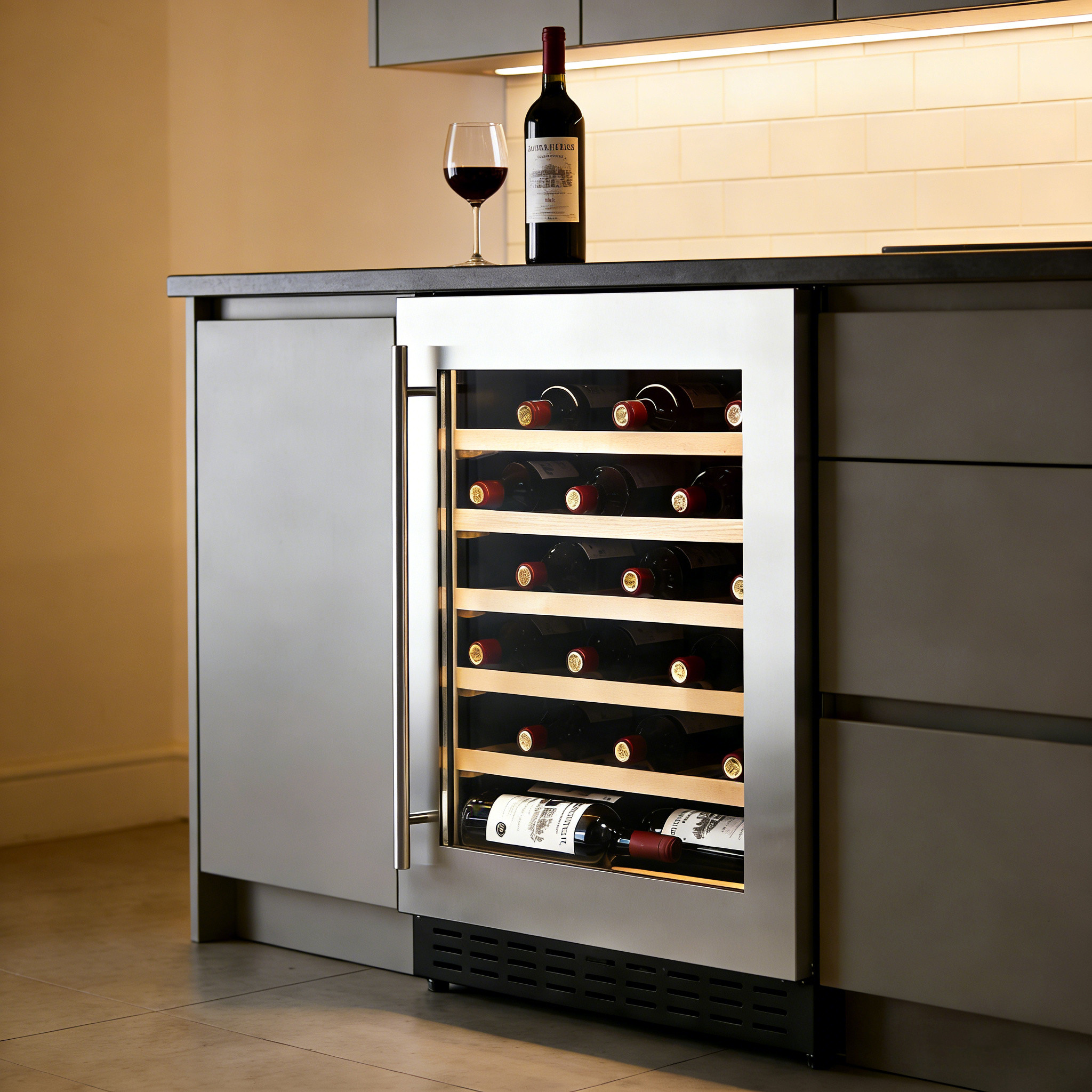
As an OEM/ODM wine cooler manufacturer, I've seen firsthand how advancements in technology can redefine appliance performance. One of the most significant game-changers has been the integration of digital control compressors. This blog post will explore how these innovative components are not just improving efficiency and precision but are actively revolutionizing the way we, as OEM/ODM wine cooler manufacturers, design and produce wine coolers for discerning consumers and brands worldwide. Join me as we delve into the core of this transformation, understanding the impact on wine preservation, design flexibility, and market opportunities for OEM/ODM wine cooler manufacturers.
Key Takeaways
- The Problem with the Past: Early wine storage relied on inconsistent methods like cellars and ice, which struggled with temperature and humidity fluctuations that could ruin wine.
- Digital Compressors are Key: Modern digital control compressors offer precise temperature and humidity management, crucial for preserving wine's complex flavors and aromas.
- Efficiency and Sustainability: These advanced compressors significantly reduce energy consumption and operate more quietly, meeting modern consumer demands and environmental standards.
- Design Freedom: The compact nature and reduced vibration of digital compressors give manufacturers greater flexibility to create stylish, built-in, and custom-sized wine coolers that integrate seamlessly into any space.
- Market Advantage for OEM/ODM: By leveraging digital compressor technology, OEM/ODM manufacturers can offer highly customizable, feature-rich wine coolers for various market segments, from casual enthusiasts to serious collectors, giving their clients a competitive edge.
- The Future is Smart and Sustainable: The next wave of innovation will focus on smart technology for remote control and predictive maintenance, alongside an even greater emphasis on using eco-friendly materials and manufacturing processes.
The Evolution of Wine Cooler Technology for OEM/ODM Wine Cooler Manufacturers
The journey of wine preservation is a tale of human ingenuity, evolving from rudimentary underground pits to the sophisticated, digitally controlled environments we manufacture today. For OEM/ODM wine cooler manufacturers, understanding this evolution is crucial because it highlights the fundamental problems our products are designed to solve. It’s a history that underscores the relentless pursuit of stability—in temperature, humidity, and stillness—to protect a beverage that is remarkably sensitive to its surroundings.
From Basic Refrigeration to Precision Climate Control
The transition from simply "chilling" wine to creating a precisely controlled microclimate represents a massive technological leap. Early methods were a constant battle against nature, whereas modern technology allows us to command it. This shift has not only improved the quality of wine storage but has also democratized it, making perfect storage conditions accessible beyond the owners of ancient stone cellars.
Early Wine Storage Challenges
Before the age of electricity, wine preservation was an art of approximation, relying on natural conditions. Ancient civilizations, from the Greeks and Romans to the Egyptians, used underground cellars and caves to leverage the earth's naturally cool and stable temperatures. These subterranean spaces offered insulation from seasonal heat and maintained humidity levels that prevented corks from drying out. In some regions, wine was stored in large clay vessels called amphorae, which were often buried to maintain a consistent temperature. In fact, archaeological evidence from a site called Tel Kabri dates sophisticated wine storage rooms back to around 1700 BCE.
However, these methods were far from perfect. The "right" conditions were often a matter of luck. A cellar might be too damp, leading to mold, or not cool enough during a warm spell. In some cases, people would use ice and snow harvested from mountains and stored in insulated pits or ice houses to chill wine, a luxury available only to the wealthy. The Romans even tried storing wine in smoke-filled rooms called fumantorires, which preserved the wine but also cooked it with heat, ruining its delicate flavors. The core challenges were always the same: controlling temperature fluctuations, managing humidity, and protecting wine from light and vibration. Failure to manage these elements meant risking the entire collection, turning a prized vintage into a disappointing, flat beverage.
The Introduction of Compressor Technology
The advent of mechanical refrigeration marked the first true revolution in wine storage, moving it from a passive art to an active science. Before this, ice was the primary means of cooling, but its availability was limited, especially in warmer climates. Refrigeration technology made it possible to preserve and transport beverages over vast distances, but the initial applications were crude. Early refrigeration units for general use were often inconsistent and lacked the precise control needed for fine wine.
The introduction of compressor-based systems specifically for wine coolers was a game-changer. These systems utilize a refrigerant cycle to actively remove heat from the insulated cabinet, allowing for consistent and adjustable temperatures. Unlike thermoelectric systems, which are often used in smaller, less powerful units, compressor technology can achieve and maintain lower temperatures more efficiently, even in high ambient heat. This made it possible to create dedicated appliances that replicated—and even surpassed—the conditions of a traditional underground cellar. Modern wine coolers began to incorporate features like advanced temperature controls and humidity management, ensuring wine could be stored at the perfect temperature for optimal aging and taste. This pivotal development laid the groundwork for today's digitally controlled systems, which have refined this process to an extraordinary degree of precision.
Defining OEM and ODM in the Wine Cooler Industry
In the world of appliance manufacturing, the terms OEM and ODM are fundamental. They describe two distinct business models that allow brands to bring products to market. As a manufacturer specializing in wine coolers, we navigate these models daily to meet the diverse needs of our clients, from established global brands to emerging private labels. Understanding the difference is key to appreciating the flexibility and strategic advantages available in product development.
Understanding Original Equipment Manufacturing (OEM)
Original Equipment Manufacturing (OEM) is a partnership where a brand brings a fully formed product design to a manufacturer for production. In this model, the client company is responsible for the research and development (R&D), engineering, and design specifications. They own the intellectual property (IP), including patents and design aesthetics. The OEM’s role is to act as the production powerhouse, leveraging their manufacturing expertise, facilities, and quality control processes to build the product exactly to the client’s specifications.
For example, a major appliance brand may have an in-house team that designs a new line of wine coolers with specific features, dimensions, and materials. They would then contract an OEM partner, like us, to handle the physical manufacturing, assembly, and testing. The final product is sold under the client's brand name, and the OEM's involvement is typically invisible to the end consumer. This approach allows the brand to maintain complete creative control over its product and focus on its core strengths—marketing, branding, and sales—while outsourcing the capital-intensive aspects of production.
Exploring Original Design Manufacturing (ODM)
Original Design Manufacturing (ODM) offers a more comprehensive solution, where the manufacturer is responsible for not only production but also the product's design and engineering. This is often referred to as "private labeling" or "white labeling". In an ODM relationship, we as the manufacturer have a portfolio of pre-designed products that a client can choose from. The client can then rebrand this existing product with their own logo and packaging, often with options for minor customizations like color, handle style, or shelving materials.
The primary advantage of the ODM model is the significant reduction in time and resources required to bring a product to market. The client doesn't need to invest heavily in R&D, as the manufacturer has already handled the technical development and tooling. This is an ideal route for companies looking to quickly expand their product line or for new entrants who lack extensive design and engineering resources. In this scenario, the manufacturer typically owns the intellectual property of the core product design. While the client gets a market-ready product, they have less control over the fundamental design and features compared to an OEM arrangement.
Here is a summary table to clarify the distinctions:
| Feature | OEM (Original Equipment Manufacturer) | ODM (Original Design Manufacturer) |
|---|---|---|
| Design Responsibility | Client provides the full product design. | Manufacturer provides the base product design. |
| Intellectual Property (IP) | Owned by the Client. | Typically owned by the Manufacturer. |
| Development Cost & Time | High for the client due to R&D investment. | Low for the client, as R&D is already done. |
| Product Uniqueness | High, as the design is exclusive to the client. | Low, as the base design may be sold to multiple clients. |
| Best For | Established brands with strong R&D and a unique product vision. | Brands wanting a fast market entry with minimal R&D investment. |
The Digital Control Compressor: A Core Innovation for Every OEM/ODM Wine Cooler Manufacturer
At the heart of modern, high-performance wine coolers lies the digital control compressor. This component is far more than just a motor; it is the brain and the engine of the cooling system, responsible for creating the stable environment that fine wine demands. For OEM/ODM manufacturers, incorporating this technology is not just an upgrade—it's a fundamental shift that enables us to deliver the precision, efficiency, and quiet operation that discerning clients and their customers expect. It elevates a simple wine fridge into a true preservation instrument.
Precision Temperature Management
Wine is a delicate and complex organic product. Its evolution in the bottle is a slow series of chemical reactions, and these reactions are highly sensitive to temperature. For an OEM/ODM manufacturer, delivering a product that can master this variable is paramount. Digital control compressors allow us to achieve a level of precision that was previously unattainable, ensuring the preservation of a wine's intended flavor, aroma, and structure.
Achieving Optimal Storage Conditions for Red and White Wines
Different types of wine require different storage and serving temperatures to be at their best. While the universally accepted long-term aging temperature for all wines is around 55°F (13°C), many collectors with diverse portfolios prefer the flexibility to store varietals at their ideal serving temperatures. This is where digital control and dual-zone technology, made possible by efficient compressors, become invaluable.
Digital compressors enable wine coolers to maintain separate temperature zones within a single unit. A dual-zone wine cooler, for instance, can store red wines in a compartment set to a warmer 55–65°F (13-18°C) while simultaneously keeping white and sparkling wines perfectly chilled in another zone at 45–50°F (7-10°C). This allows consumers to have both reds and whites ready to serve at a moment's notice, each at its peak flavor profile.
Here's a general guide to ideal storage temperatures that we design our coolers to achieve:
| Wine Type | Ideal Storage Temperature Range (°F) | Ideal Storage Temperature Range (°C) |
|---|---|---|
| Full-Bodied Red Wines (e.g., Cabernet Sauvignon, Shiraz) | 58 - 65°F | 14 - 18°C |
| Medium-Bodied Red Wines (e.g., Merlot, Pinot Noir) | 55 - 60°F | 13 - 16°C |
| White & Rosé Wines (e.g., Chardonnay, Sauvignon Blanc) | 45 - 55°F | 7 - 13°C |
| Sparkling Wines (e.g., Champagne, Prosecco) | 40 - 45°F | 5 - 7°C |
Digital technology ensures these temperatures are not just set, but precisely maintained.
Minimizing Temperature Fluctuations for Wine Longevity
More important than the exact temperature is temperature stability. Frequent and significant temperature swings are the greatest enemy of stored wine. When temperatures rise, the wine inside the bottle expands, increasing pressure on the cork. When temperatures fall, the liquid contracts, creating a slight vacuum. This cycle of expansion and contraction can compromise the cork's seal, allowing tiny amounts of oxygen to seep into the bottle. This process, known as oxidation, is disastrous for wine, leading to flat, stale, or "cooked" flavors and ruining the wine's bouquet and structure.
This is where digital control compressors truly shine. Unlike older, on/off compressors that cause noticeable temperature spikes and dips as they cycle, digital inverter compressors can adjust their speed and power output in real-time. They run continuously at variable speeds, making micro-adjustments to maintain a hyper-stable internal climate. This technology minimizes temperature fluctuations to less than a degree, effectively eliminating the risk of oxidation from temperature swings and providing the calm, consistent environment wine needs to age gracefully over years or even decades. Protecting a collection from these fluctuations is the single most important factor in wine preservation.
Enhanced Energy Efficiency and Sustainability for OEM/ODM Wine Cooler Manufacturers
In today's market, consumers and regulatory bodies alike are placing a strong emphasis on energy efficiency and environmental responsibility. For an OEM/ODM wine cooler manufacturer, adopting technologies that promote sustainability is not just a selling point—it's a necessity. Digital control compressors are at the forefront of this movement, offering significant reductions in power consumption and enabling products that meet and exceed modern environmental standards.
Reducing Power Consumption
Traditional compressors operate on a simple on/off cycle at a fixed speed, which is an inefficient way to manage temperature. They run at full power until the target temperature is reached and then shut off completely, repeating this process as the internal temperature drifts. Digital inverter compressors, by contrast, function more like a car's cruise control. Instead of abrupt stops and starts, they adjust their operating speed in real-time based on cooling demands and ambient conditions. This variable-speed functionality allows the compressor to run at a lower, consistent power level for most of the time, avoiding the energy spikes associated with constant restarts.
This smart operation results in substantial energy savings, with some digital inverter compressors using up to 30-40% less energy than their conventional counterparts. This is a crucial advantage over even some thermoelectric coolers, which, while having fewer moving parts, may need to run constantly to maintain temperature, potentially using more energy over time in fluctuating environments. For the end-user, this translates directly into lower electricity bills, making a wine cooler with a digital compressor a more economical choice over its lifespan. For us as manufacturers, it provides a powerful performance metric to showcase to clients.
Meeting Modern Environmental Standards
Governments and international agencies are continually tightening energy consumption regulations for home and commercial appliances. The U.S. Department of Energy (DOE) and the ENERGY STAR program are key drivers of these standards, periodically updating requirements to push manufacturers toward greater efficiency. For example, the DOE has established and continues to amend energy conservation standards for various types of refrigeration equipment, including residential and commercial units. New standards set to take effect in the coming years will further reduce the allowable energy use for refrigerators and freezers.
While wine coolers fall into a "miscellaneous refrigeration" category and have had a complex history with ENERGY STAR eligibility, the trend is unequivocally toward stricter efficiency rules. Digital inverter compressors are instrumental in helping manufacturers meet these evolving targets. Their inherent efficiency, combined with the use of modern, eco-friendly refrigerants with low Global Warming Potential (GWP) like R600a, allows us to build wine coolers that are not only compliant but also forward-looking. By integrating these sustainable technologies, we can offer OEM/ODM clients products that carry a smaller carbon footprint, appeal to environmentally-conscious consumers, and are positioned to meet the regulations of tomorrow.
Impact on Design and Functionality for the OEM/ODM Wine Cooler Manufacturer
The integration of digital control compressors does more than just improve a wine cooler's internal environment; it fundamentally changes what is possible in terms of the appliance's physical design and the user's experience. As an OEM/ODM manufacturer, this technology unlocks new avenues for innovation, allowing us to create products that are quieter, more refined, and seamlessly integrated into modern living spaces. This shift empowers our clients to offer wine coolers that are not just functional but are also sophisticated lifestyle products.
Quieter Operation and Reduced Vibrations
Traditional compressor-based appliances are notoriously noisy, creating a low but persistent hum that can be disruptive in a home environment. As open-plan living spaces become more common, consumer demand for quieter appliances has grown significantly. In fact, surveys show a large majority of consumers would like their kitchen appliances to be less noisy, and many are willing to pay a premium for quiet models. Digital inverter compressors directly address this concern by operating more smoothly and quietly than their predecessors.
A modern wine cooler equipped with a digital compressor typically operates at a noise level between 35 and 45 decibels (dB). To put this in perspective, this is comparable to the sound of a quiet library or a soft whisper. By avoiding the jarring start-stop cycles of older models and instead running at a consistent low speed, these compressors produce significantly less operational noise, contributing to a more peaceful and luxurious home atmosphere.
Preserving Wine Sediment and Stability
Beyond acoustics, the reduction in vibration is critically important for the wine itself. Even subtle, continuous vibrations can negatively impact the aging process. Over time, these movements disturb the fine sediment that naturally forms in aging wines, especially reds. This constant agitation can prevent the sediment from settling, leading to a cloudy appearance and a gritty texture. More importantly, it accelerates chemical reactions within the wine, which can dull aromas and cause the wine to age poorly, resulting in an unbalanced and less complex flavor profile.
Digital control compressors are engineered to minimize vibration. They are often mounted on rubber or silicone dampeners that absorb tremors, and their smooth, continuous operation avoids the shudder associated with conventional units cycling on and off. This creates the still, placid environment that mimics a traditional underground cellar, ensuring that the wine can mature undisturbed, preserving its delicate structure and allowing its flavors to develop as the winemaker intended.
Improved User Experience
The combination of quiet operation and low vibration significantly enhances the overall user experience. In today's homes, where kitchens often blend into living and dining areas, a noisy appliance can be a constant source of irritation. A wine cooler that operates almost silently fades into the background, allowing homeowners to enjoy their space without disruption. Research from Quiet Mark, a global certification program for low-noise products, has shown that a vast majority of consumers would prefer quieter appliances, making low-noise operation a powerful marketing advantage. By providing a product that contributes to a tranquil home environment, we empower our OEM/ODM clients to meet a growing and important consumer demand for quiet luxury.
Greater Design Flexibility and Aesthetics for OEM/ODM Wine Cooler Manufacturers
The physical characteristics of a wine cooler's core components have a direct and profound impact on its exterior design possibilities. The move to smaller, more efficient digital control compressors has been a liberation for designers and manufacturers. This technological advancement allows us to break free from the bulky, utilitarian constraints of older refrigeration systems and create wine coolers that are not only high-performing but also aesthetically versatile and beautifully integrated into any interior design scheme.
Compact and Customizable Sizes
Digital inverter compressors are physically smaller and more compact than their traditional counterparts. This reduced footprint is a significant advantage for designers. It frees up valuable internal space within the wine cooler, which can be used to increase bottle capacity or to incorporate thicker, more effective insulation without enlarging the unit's external dimensions. This efficiency of space is a key enabler for creating a wider variety of product sizes.
This flexibility allows us as an OEM/ODM manufacturer to develop and offer a diverse portfolio of wine coolers tailored to specific market needs. From slim, countertop models that hold 6-20 bottles for city dwellers in small apartments to taller, under-counter units, the compact nature of the compressor opens up new design possibilities. Furthermore, it simplifies the process of creating custom-sized units for OEM clients who have specific dimensional requirements for their projects, whether for residential kitchens, RVs, or commercial hospitality settings.
Integration into Modern Kitchens and Spaces
The trend in modern kitchen design is toward seamless integration. Homeowners and designers increasingly prefer appliances that blend into the cabinetry for a clean, minimalist, and high-end look. The design flexibility afforded by digital compressors is critical to meeting this demand.
Because the components are more compact, we can engineer wine coolers with shallower depths, allowing them to be installed flush with surrounding cabinets. This creates the sought-after "built-in" or "panel-ready" aesthetic, where the wine cooler doesn't protrude or interrupt the flow of the kitchen design. The quieter operation also means these units can be placed in open-concept living areas, bars, or home offices without creating a noise disturbance. For our OEM/ODM clients, this means we can provide products that are not just wine storage solutions but are also sophisticated design elements that enhance the overall look and feel of a premium living space.
Meeting Diverse Market Demands as an OEM/ODM Wine Cooler Manufacturer
The world of wine enthusiasts is not monolithic; it spans a wide spectrum from the casual sipper to the serious, long-term collector. A successful OEM/ODM wine cooler manufacturer must be able to cater to this diversity. The versatility of digital control compressor technology is a cornerstone of this strategy, enabling the production of a wide range of cooler capacities and supporting deep customization for our brand partners. This adaptability allows us to equip our clients with the right products to target and capture distinct market segments effectively.
Addressing Various Wine Cooler Capacities
By leveraging the design flexibility of digital compressors, we can manufacture a full spectrum of wine coolers to address the needs of every type of consumer. This allows our brand partners to offer a cohesive product line that grows with their customers.
Small Capacity Coolers (6-20 bottles) for Casual Enthusiasts
This segment targets new wine drinkers, apartment dwellers, or those with limited space. Small, countertop, or slim under-counter models holding between 6 and 20 bottles are perfect for this market. These compact units are ideal for casual drinkers who want to keep a few bottles at the perfect serving temperature rather than for long-term aging. The affordability and space-saving design of these coolers make them an excellent entry point into the world of proper wine storage.
Medium Capacity Coolers (20-50 bottles) for Growing Collections
For wine enthusiasts whose passion is growing, a medium-capacity cooler is the logical next step. These models, which typically hold between 20 and 50 bottles, offer the perfect balance of storage capacity and a manageable footprint. They are suited for homeowners who are building a more diverse collection and need the flexibility of features like dual-zone cooling to store both reds and whites simultaneously. These units represent a significant step up, often integrating more premium features while still fitting comfortably into a kitchen, bar, or dining area.
Large Capacity Coolers (50-100+ bottles) for Serious Collectors and Commercial Use
This category is designed for serious oenophiles, investors, and commercial clients like restaurants and bars. Large-capacity wine coolers holding over 50 bottles, and often exceeding 150-200 bottles, are built for long-term aging and substantial inventories. These units are powerhouse appliances, almost always featuring advanced digital compressor technology to ensure absolute stability for a valuable collection. For this market, features like multi-zone temperature controls, robust security locks, and premium, vibration-dampening shelving are standard. These coolers are not just appliances but statement pieces for a dedicated home cellar or a high-end commercial establishment.
Customization Options for OEM/ODM Wine Cooler Clients
One of the greatest strengths of the OEM/ODM model is the ability to provide tailored solutions that align perfectly with a client's brand identity and market strategy. Digital compressor technology enhances this capability, providing a reliable and flexible foundation upon which we can build highly customized products. This allows our clients to differentiate themselves in a crowded marketplace with unique features and aesthetics.
Tailoring Designs and Features to Brand Specifications
Working with an OEM/ODM partner gives a brand the power to create a product that is uniquely its own without investing in manufacturing infrastructure. The customization possibilities are extensive. A client can specify everything from the cooler’s dimensions and bottle capacity to the type of shelving—be it elegant beech wood, modern stainless steel, or practical wire racks.
Further customization options include:
- Aesthetics: Choosing the finish (e.g., stainless steel, black, panel-ready), handle design, and color of the interior LED lighting (such as cool blue or warm white).
- Door Features: Selecting from UV-protected single or double-paned glass, seamless stainless steel doors, or even reversible door hinges for flexible installation.
- Control and Security: Integrating specific types of digital touch controls, temperature displays, and security locks to protect a valuable collection. This level of personalization ensures the final product reflects the brand's specific quality and design standards.
The Role of Manufacturers like WIKI in Custom Solutions
Leading OEM/ODM manufacturers, such as WIKI, act as expert partners in the product development process. These manufacturers provide more than just production; they offer end-to-end solutions that include market analysis, professional design consultation, and engineering expertise. A partner like WIKI works closely with a client to understand their brand vision and target market, recommending the most suitable technologies, features, and design elements.
With advanced manufacturing capabilities and strict quality control certified by standards like ISO9001, these partners ensure that every custom unit is built to the highest specifications. They can produce prototypes for approval before mass production and ensure all products meet international safety and quality certifications like CE, ETL, and SAA. This collaborative relationship empowers brands to launch innovative, high-quality, and market-ready wine coolers efficiently and effectively, helping them build a strong and distinctive presence in the industry.
Future Trends for the OEM/ODM Wine Cooler Manufacturer
The world of home appliances is in a constant state of evolution, driven by technological innovation and shifting consumer expectations. For an OEM/ODM wine cooler manufacturer, staying ahead of these trends is essential for long-term success. The future of wine preservation lies in the convergence of smart technology and an even deeper commitment to sustainability. These two pillars will shape the next generation of wine coolers, offering unprecedented convenience, efficiency, and peace of mind to users and creating new opportunities for the brands we partner with.
Smart Technology Integration
The Internet of Things (IoT) is no longer a futuristic concept; it is actively being integrated into modern home appliances, and wine coolers are no exception. The global smart home market is projected to reach $135 billion by 2025, driven by consumer demand for greater convenience and connectivity. This trend presents a significant opportunity for creating more interactive and user-friendly wine preservation systems.
Remote Monitoring and Control
The next generation of wine coolers will be fully connected, allowing users to manage their collections from anywhere via a smartphone app. This isn't just about turning the unit on or off remotely. Smart integration allows for a host of sophisticated functions:
- Real-Time Temperature and Humidity Adjustments: A user could adjust the temperature in their dual-zone cooler from the grocery store to prepare for a new bottle of champagne they are about to bring home.
- Notifications and Alerts: The app can send push notifications to the user's phone if the temperature deviates from the set range, or if the door is left ajar, preventing potential spoilage.
- Inventory Management: Some advanced apps allow users to scan the label of a wine bottle as they place it in the cooler. The app then logs the bottle, retrieves information about its ideal serving temperature and aging window, and can even suggest food pairings.
For OEM/ODM clients, offering products with these smart capabilities provides a powerful competitive advantage, appealing to a tech-savvy generation of consumers who expect seamless control over their home environment.
Predictive Maintenance
Beyond user convenience, IoT integration unlocks a powerful tool for reliability: predictive maintenance. By embedding sensors that continuously monitor the performance of critical components like the compressor, fans, and temperature probes, the system can collect vast amounts of operational data. Machine learning algorithms can then analyze this data to identify patterns that may indicate an impending component failure.
Instead of waiting for the cooler to break down, the system can proactively alert the user or a service technician that a part is showing signs of stress or irregular performance. This allows for maintenance to be scheduled before a catastrophic failure occurs, which is especially critical for those with valuable, long-term wine collections. For an OEM/ODM manufacturer, building products with predictive maintenance capabilities demonstrates a commitment to durability and enhances brand trust, as it transforms the service model from reactive to proactive, minimizing downtime and protecting the owner's investment.
Continued Focus on Sustainability for OEM/ODM Wine Cooler Manufacturers
The push for sustainability is a powerful and enduring trend that will continue to shape the appliance industry. It extends beyond just energy consumption to encompass the entire lifecycle of a product, from the materials used in its construction to the manufacturing processes themselves. For us as OEM/ODM manufacturers, a deep commitment to sustainability is not only an ethical responsibility but also a key strategic advantage in a market where consumers are increasingly making eco-conscious purchasing decisions.
Further Energy Efficiency Innovations
While digital inverter compressors have already delivered significant energy savings, the innovation will not stop there. The future of compressor technology points toward even greater efficiency. Advancements may include:
- Magnetic Levitation Compressors: This emerging technology uses magnetic bearings to levitate the rotor, eliminating physical contact and friction. This dramatically reduces mechanical wear and the energy losses associated with it, leading to hyper-efficient and nearly silent operation.
- Advanced Control Algorithms: Smarter software will continue to optimize compressor performance. These algorithms will be able to process more data points—such as usage patterns, ambient temperature forecasts, and even local energy grid pricing—to make more intelligent adjustments that minimize power consumption.
- Improved Heat Exchange Systems: Innovations in materials and design, such as smaller-diameter copper tubes, will improve the efficiency of heat transfer, allowing the cooling system to work less hard to maintain the desired temperature.
By integrating these next-generation technologies, we can produce wine coolers that not only meet but far exceed future energy regulations, offering clients products with best-in-class efficiency.
Eco-Friendly Materials and Manufacturing Processes
The focus on sustainability is broadening to include the very materials that make up an appliance. The industry is moving away from traditional petroleum-based plastics and toward more environmentally friendly alternatives. This includes:
- Recycled Materials: Using recycled plastics and metals in non-critical components reduces landfill waste and the demand for virgin resources.
- Bioplastics: These are plastics derived from renewable biomass sources, such as corn starch or sugarcane, which have a smaller carbon footprint than fossil fuel-based plastics.
- Sustainable Sourcing: Prioritizing materials like bamboo for shelves or using other sustainably harvested woods and metals.
Beyond the materials themselves, manufacturing processes are also becoming greener. This involves streamlining production to reduce waste, implementing robust recycling programs within facilities, and powering operations with renewable energy sources. Offering OEM/ODM clients products that are built with sustainable materials and processes allows them to market their brand as environmentally responsible, a powerful message for a growing segment of consumers.
Frequently Asked Questions (FAQ)
1. What is the main advantage of a digital control compressor over a standard one in a wine cooler? The primary advantage is stability and efficiency. A digital inverter compressor adjusts its speed based on cooling demand, maintaining a highly consistent temperature with minimal fluctuations (less than a degree). This is crucial for protecting wine from premature aging. This method is also significantly more energy-efficient, reducing electricity consumption by up to 30-40% compared to standard on/off compressors.
2. Why is low vibration so important for storing wine? Wine, especially as it ages, develops natural sediment. Constant vibration, even if subtle, can disturb this sediment, leading to a cloudy appearance and a gritty texture in the wine. More importantly, it accelerates chemical reactions in the wine, which can disrupt the delicate aging process and dull its flavors and aromas. Low-vibration compressors help keep the wine still, mimicking the conditions of a traditional cellar and allowing it to mature properly.
3. Can I store both red and white wine in the same cooler? Yes, if you choose a dual-zone wine cooler. These models, often powered by digital compressors, have two separate compartments with independent temperature controls. This allows you to set one zone to the ideal temperature for red wines (e.g., 55-65°F / 13-18°C) and the other to a cooler temperature for white and sparkling wines (e.g., 45-50°F / 7-10°C), all within the same appliance.
4. What is the difference between an OEM and an ODM wine cooler manufacturer? An OEM (Original Equipment Manufacturer) builds products based on designs provided by the client. The client owns the design and intellectual property. An ODM (Original Design Manufacturer) designs and engineers the products themselves and then allows a client to rebrand them as their own, often with minor customizations. This is a faster, more cost-effective way for a brand to bring a product to market.
5. What is the future of wine cooler technology? The future is smart and sustainable. Expect to see more wine coolers with Wi-Fi connectivity and smartphone apps for remote monitoring, temperature control, and even inventory management. Predictive maintenance, using IoT sensors to anticipate component failures, will also become more common. Additionally, there will be a continued push for even greater energy efficiency and the use of eco-friendly and recycled materials in the manufacturing process.
Conclusion
In conclusion, the digital control compressor has undoubtedly marked a new era for OEM/ODM wine cooler manufacturers, offering unparalleled precision, efficiency, and design flexibility. The journey from basic cellars to today's hyper-stable, intelligent appliances is a testament to the power of technological innovation in service of preserving one of the world's most cherished beverages. These advanced components are the key to solving the age-old challenges of temperature fluctuation, vibration, and energy usage, which are the primary enemies of fine wine.
As an OEM/ODM wine cooler manufacturer, embracing these technologies allows us to deliver superior products that protect and enhance wine collections while meeting the evolving demands of a sophisticated market. This empowers our brand partners to offer appliances that are not only functionally excellent but also beautifully designed, quiet, and environmentally responsible.
The ongoing innovation in this field—from smart connectivity and predictive maintenance to next-generation sustainable materials—promises an even brighter future for wine enthusiasts and OEM/ODM wine cooler manufacturers alike. We are committed to continually raising the bar for quality and performance in wine preservation, ensuring that every bottle can reach its full potential. The revolution is already here, and it’s powered by digital precision.