Why More Brands Are Switching to Compressor Wine Coolers: A Growing Trend in the Wine Storage Industry
- Share
- Issue Time
- Dec 11,2025
Summary
This article explores the rising demand for compressor wine coolers, highlighting their superior temperature stability, energy efficiency, and advanced features for premium wine preservation.
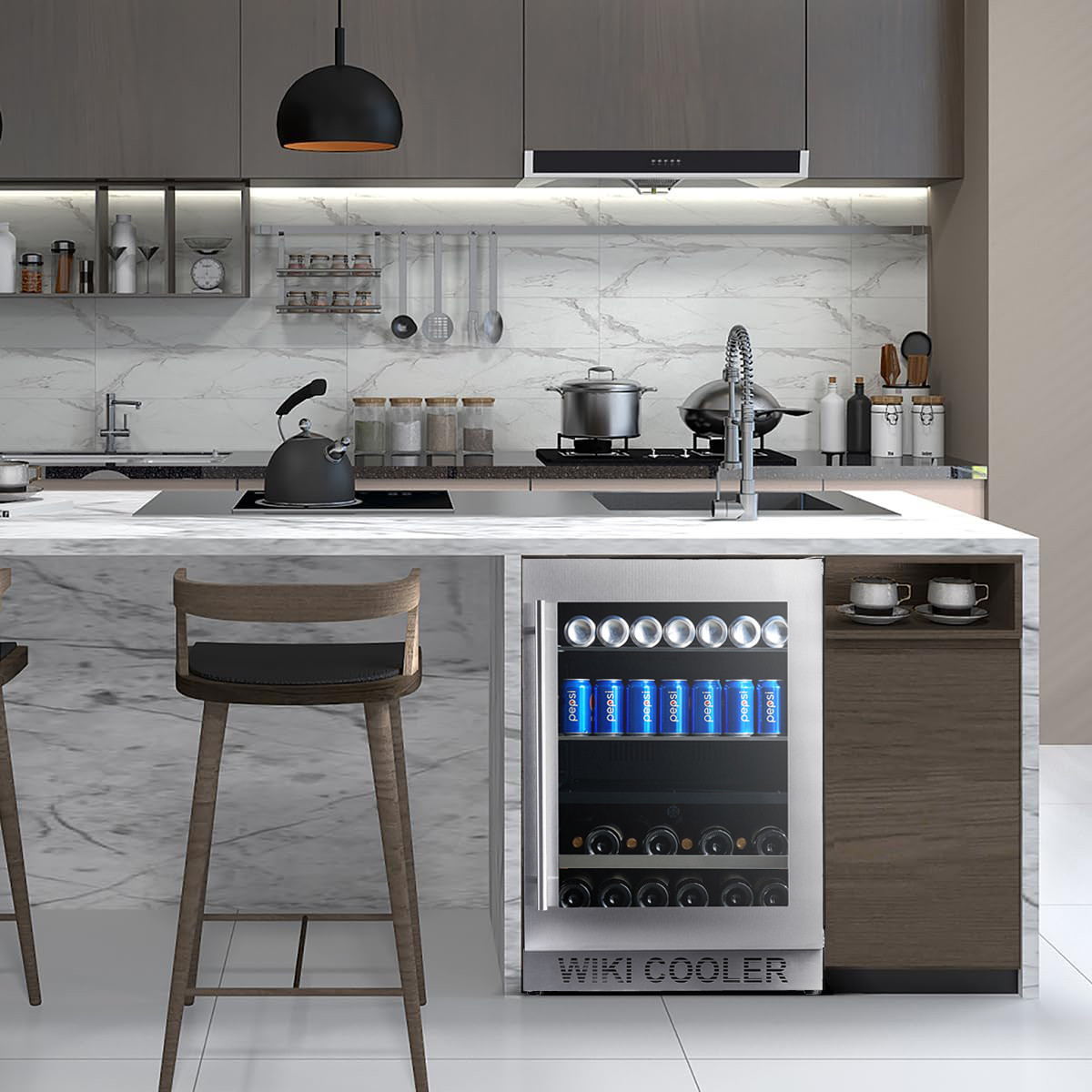
In the competitive world of wine cooler manufacturing, choosing the right refrigeration technology is critical. Over the last few years, a noticeable shift has been occurring in the wine cooler industry — more and more brands are switching to compressor wine coolers. But why is this shift happening? In this article, we will explore the growing popularity of compressor-based wine coolers, the reasons behind this trend, and how it benefits businesses in the wine storage sector.
What Is a Compressor Wine Cooler?
A compressor wine cooler operates using a similar system to traditional refrigerators. It uses a compressor to circulate refrigerant, cooling the internal environment. This type of cooler is known for its ability to maintain consistent temperature levels, even in fluctuating external conditions. Unlike thermoelectric models, compressor wine coolers are more effective in cooling larger volumes of wine and are often preferred in commercial or high-end residential setups.
Why Are Brands Moving Towards Compressor Wine Coolers?
1. Superior Temperature Control and Consistency
One of the main advantages of compressor wine coolers is their consistent and precise temperature regulation. Wine, especially high-end bottles, requires a stable temperature to age properly. Compressor coolers excel in maintaining this stability, which is crucial for ensuring the quality of the wine over time.
Unlike thermoelectric wine coolers, which can struggle with external temperature changes, compressors offer better performance in hotter environments. This makes them ideal for commercial spaces, high-end residential kitchens, and wine cellars where temperature control is critical.
2. Energy Efficiency Improvements
While compressor-based wine coolers have historically been seen as less energy-efficient compared to thermoelectric models, recent advancements in compressor technology have led to significant improvements in energy efficiency. Many modern compressor coolers are now Energy Star certified, meaning they consume less energy while offering better cooling performance.
This is a win-win for brands and consumers alike. Brands can offer cost-effective and environmentally-friendly products, and customers benefit from lower energy bills and a smaller carbon footprint. As energy efficiency becomes a key concern for both manufacturers and consumers, the shift to compressor wine coolers is more attractive.
3. Larger Capacity and Better Cooling Performance
Compressor wine coolers are typically more powerful, which allows them to cool larger volumes of wine efficiently. This makes them ideal for both commercial use and high-capacity storage needs. For businesses involved in the retail, restaurant, or hospitality industries, compressor coolers can store larger quantities of wine without sacrificing quality or consistency.
With their ability to handle larger capacities, these coolers can cater to diverse customer needs, from wine collectors to wine bars, restaurants, and hotels looking for bulk storage solutions.
4. Longer Lifespan and Durability
A key reason that many brands are switching to compressor-based wine coolers is the durability and long lifespan they offer. High-quality compressors are built to last and can function for many years without significant wear or failure. This is a critical factor for businesses that rely on wine coolers for consistent service.
Investing in a durable compressor wine cooler ensures that the cooler will continue to provide excellent performance for many years, reducing the likelihood of repairs or replacements. This long-term reliability is especially appealing for B2B buyers who require high-performance and dependable products.
5. Improved Noise Reduction
Newer models of compressor wine coolers are equipped with advanced noise-reduction technology, making them quieter than older compressor models. While compressor units tend to be louder than thermoelectric coolers, innovations in insulation and vibration-reducing technology have resulted in significantly quieter operations. For businesses that want to maintain a quiet, upscale atmosphere, this can make a big difference.
6. Greater Customization Options
Compressor wine coolers offer more opportunities for customization in terms of features and design. Brands can work with manufacturers to create coolers that meet the unique needs of their business, whether that's offering specific temperature zones, custom shelving, or unique door styles.
This level of customization is particularly attractive for wine bars, restaurants, and boutique hotels that need wine storage solutions that align with their brand identity and space requirements.
7. Versatility in Installation
Compressor wine coolers can be used both as freestanding units or built-in installations, offering greater flexibility in design. This makes them an attractive option for businesses with varying spatial constraints, whether in small restaurants or large commercial wine storage areas. Brands benefit from offering more flexible solutions to cater to a wider range of customers.
The Future of Wine Cooler Technology
As the market for wine coolers continues to evolve, the shift towards compressor-based models shows no signs of slowing down. The growing demand for energy-efficient, high-capacity, and durable solutions is driving innovation in the compressor wine cooler industry.
Brands that make the switch to compressor wine coolers are not only offering superior temperature control but also aligning themselves with the industry's push toward sustainability, customization, and performance.
For B2B companies in the wine cooler industry, keeping up with these technological advancements and adapting to market demands will be essential to stay competitive in the years to come.
Conclusion: Embracing Compressor Wine Coolers for the Future
As more brands move to compressor-based wine coolers, it's clear that these models are the future of wine storage technology. With superior cooling performance, energy efficiency, durability, and capacity, compressor coolers are becoming the go-to solution for businesses looking to provide high-quality wine storage for their customers.
If you're a distributor, importer, or retailer, embracing this shift and offering compressor wine coolers as part of your product lineup could be the key to staying ahead in the competitive wine storage market.
Need help finding the best wine cooler? Contact WIKI Design
Foshan Shunde Wiki Electrical Co., Ltd. was established in 2014. It is a national high-tech enterprise specializing in R&D, production and sales. Mainly engaged in the production of embedded or vertical frost-free products, including wine cabinets, beverage cabinets, refrigerators, freezers, drawer refrigerators, outdoor refrigeration and other household and commercial products. All our products comply with international quality standards and are highly appreciated by different markets around the world. Located in Shunde, Guangdong, which enjoys the title of "Home Appliance Capital" in China.
If you're interested in purchasing a new wine cellar, don't hesitate to contact us. We'll be happy to answer any questions you may have, and we hope this guide will help you find the product you're looking for!
Enjoy your wine tasting!
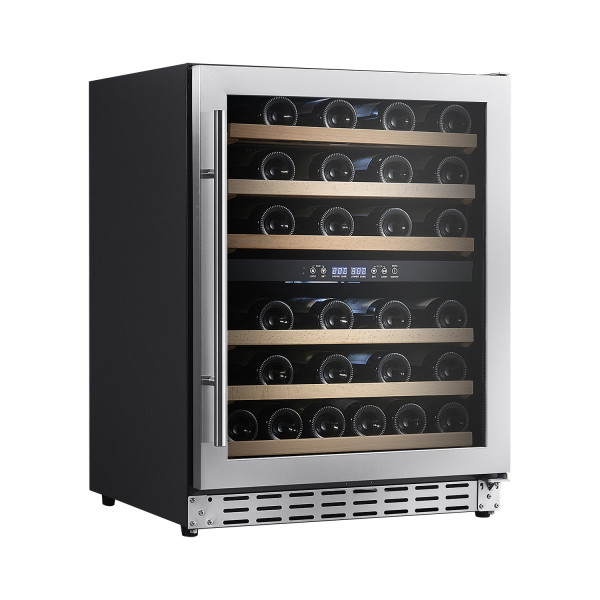
Custom 46-Bottle Dual Zone Wine Cooler - OEM/ODM Excellence for Elite Brands

430L dual zone wine cooler with a black glass door, designed for commercial use, offering reliable storage for restaurants and retailers.
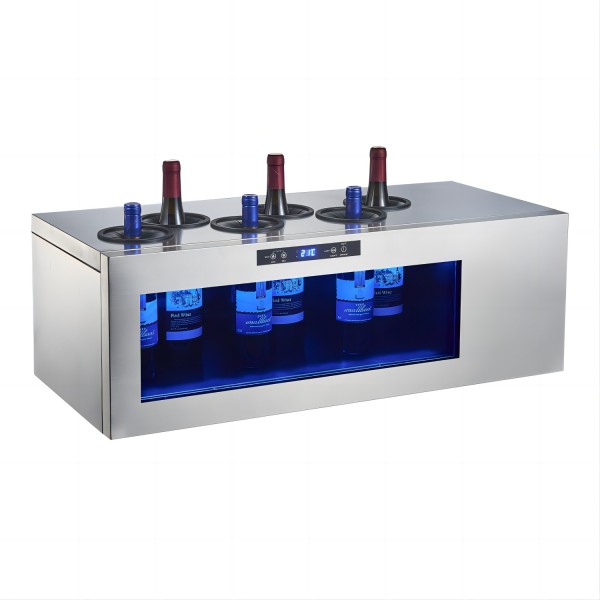
ODM/OEM 6-bottle Commercial Countertop Wine Cooler for small spaces and homes, bars, and offices.